
01
System gaps
Clinic visits are short. Often unstructured.
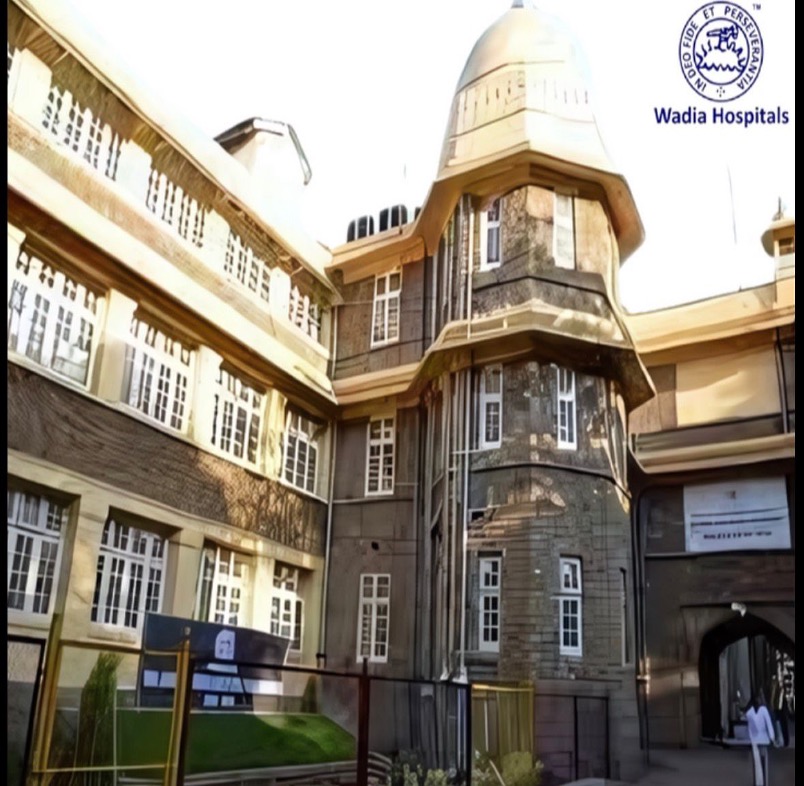
Daily monitoring on the family's phone. A live dashboard for their hospital. We built Sugar Sakhi so children with T1D stop falling through the gap between clinic visits. Made at B.J. Wadia Hospital, Mumbai.
The numbers are growing everyday
Source: IDF Diabetes Atlas (2024)
What's missing isn't insulin. It's the daily contact between clinic visits, where families either cope or collapse.
Clinic visits are short. Often unstructured.
Families are left alone with the daily work, insulin dosing and timings. Carb counting. Sick-day rules.
Caregivers don't always know what to look for. Distress doesn't show up in clinic notes. The most common thing we hear: "I didn't know what to do."
T1D programmes in India have built education and awareness campaigns. None has built the daily tool the clinic and the family actually share.
The first night after diagnosis, I sat up holding the glucose meter. I didn't sleep for a week. I was afraid I'd kill her with the wrong dose.
When a child arrives in DKA I always ask: when did this start? Always the same answer. A few days ago. We just didn't know whom to call.
The most common thing I hear is, "I didn't want to bother the doctor." Sugar Sakhi means they never have to make that choice again.
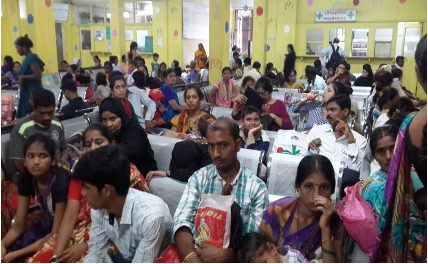
The Division of Paediatric Endocrinology has run a Diabetes Support Group since April 2005. It is the longest-running model of community-based T1D care in South Asia. Sugar Sakhi was built here.
Paediatric Endocrinology Division, Wadia 2025
The role line is what each person actually does day to day.





Targets set against the 2025 Wadia baseline and IDF cost ranges. We will report against them publicly.
We're raising for the 12-month Wadia pilot. We're preparing three South Asian sites for 2027. Pick the door that fits. We respond within two working days.